

Cihampelas, West Bandung Regency — The issue of cultural ecology is once again the focus of attention for academics at Padjadjaran University. Through the Unpad Berdampak 2026 Community Service Team (PPM), the Faculty of Cultural Sciences (FIB) at Unpad held educational activities and interactive discussions with residents of Cihampelas Village, West Bandung Regency.
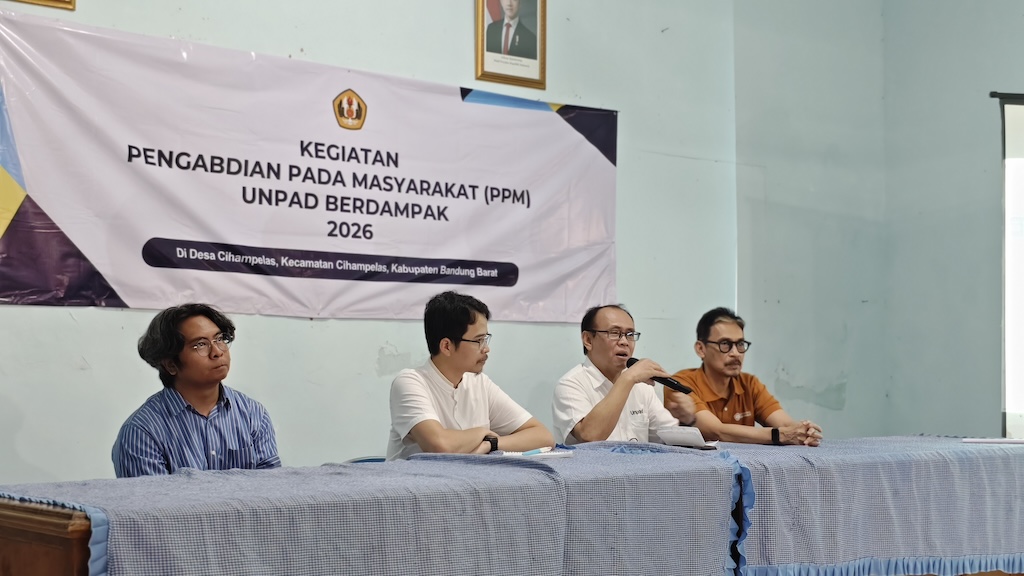
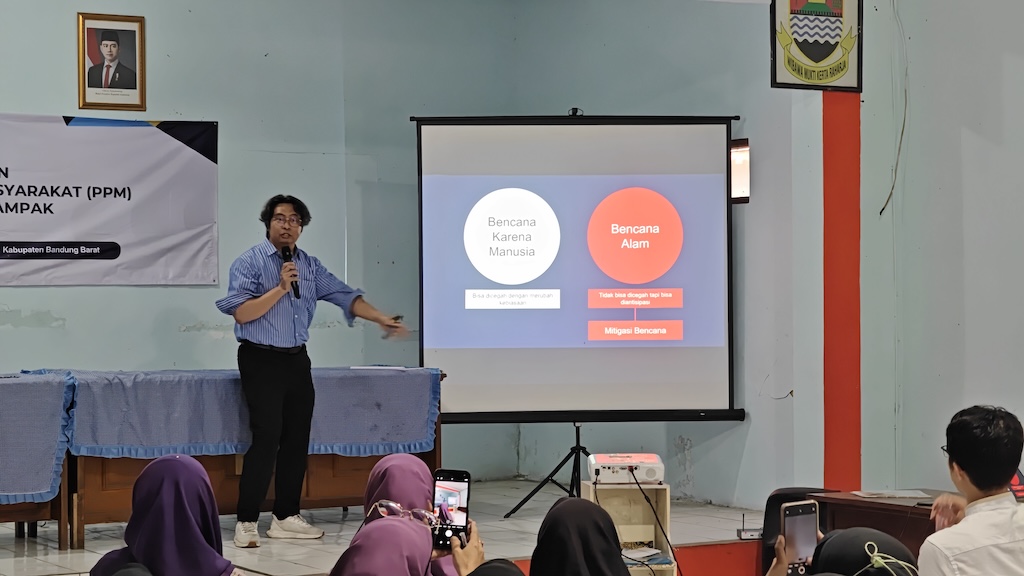
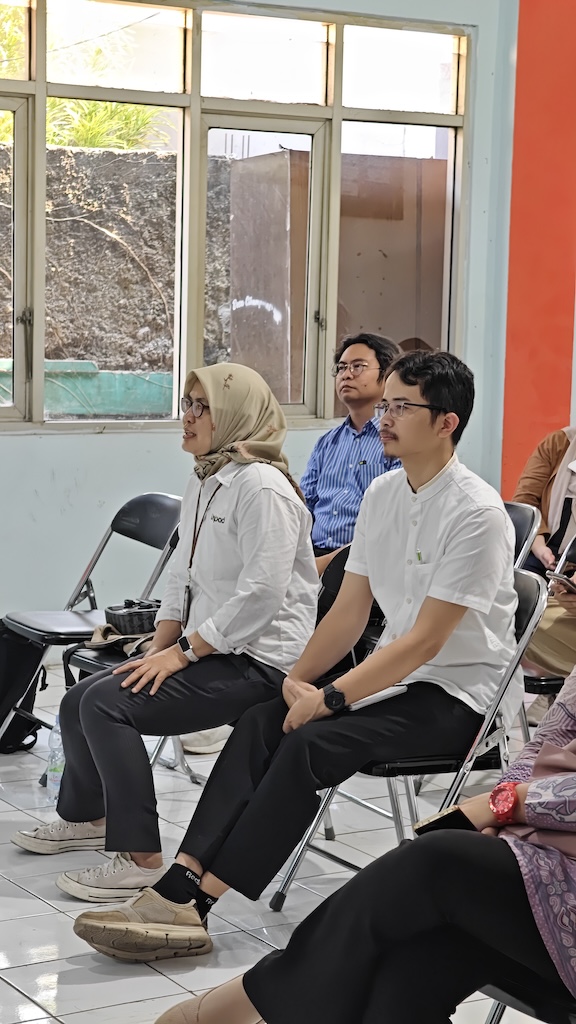
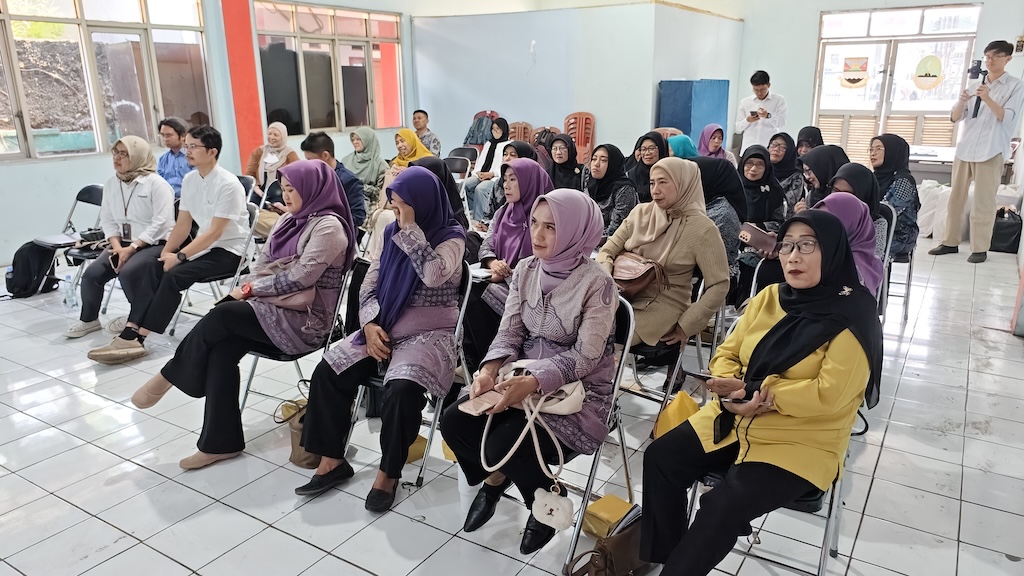
The event, chaired by Prof. Dr. Cece Sobarna, M.Hum., and Prof. Drs. Yuyu Yohana Risagarniwa, M.Ed., Ph.D., was attended by village officials, the village head, the Village Council (BPD), as well as Posyandu and PKK volunteers. Taking a cultural approach, the discussion focused on the concept of environmental cleanliness for the Sundanese community, local waste management, and strategies for sustainable cleanliness maintenance.
This program is part of a series of community service (PPM) activities titled “Cultural Ecology Education as an Effort to Raise Environmental Conservation Awareness in Cihampelas Village,” which is projected to run for the next three years.
Promoting Sundanese Local Wisdom for the Environment
One of the unique aspects of this program lies in its use of Sundanese local wisdom to approach environmental cleanliness. Noble cultural values that view nature as an integral part of human life serve as a moral foundation for building collective awareness among residents.
The residents of Cihampelas Village have welcomed this program. With support over the next three years, it is hoped that Cihampelas Village can become a role model for a self-sufficient, environmentally conscious, waste-free village based on local wisdom.
Promoting the Achievement of SDG Targets
This community service initiative not only addresses local issues but also directly contributes to the achievement of several Sustainable Development Goals (SDGs), including:
- SDG 11: Sustainable Cities and Communities. Community-based waste management is a key foundation for creating clean, healthy, and resilient communities that can withstand the impacts of environmental pollution.
- SDG 12: Responsible Consumption and Production. Education on environmental hygiene and waste sorting helps promote changes in consumption patterns and household waste management to minimize negative impacts on ecosystems.
- SDG 15: Life on Land. A cultural-ecological approach strengthens community awareness of the need to preserve the soil and the surrounding environment from the threats of plastic pollution and household waste.
- SDG 17: Partnerships for the Goals. Cross-sectoral collaboration between universities (FIB Unpad), village governments, and community organizations (PKK, Posyandu, BPD) serves as tangible evidence of the importance of synergy in collectively addressing environmental challenges.