

TASIKMALAYA – Efforts to eradicate stunting in Indonesia continue to foster new innovations. The Community Service Team (PPM) from Universitas Padjadjaran (Unpad) initiated a local culture-based community empowerment program for stunting alleviation by leveraging the richness of ancient Sundanese manuscripts in Cikunten Village, Singaparna District, Tasikmalaya Regency.
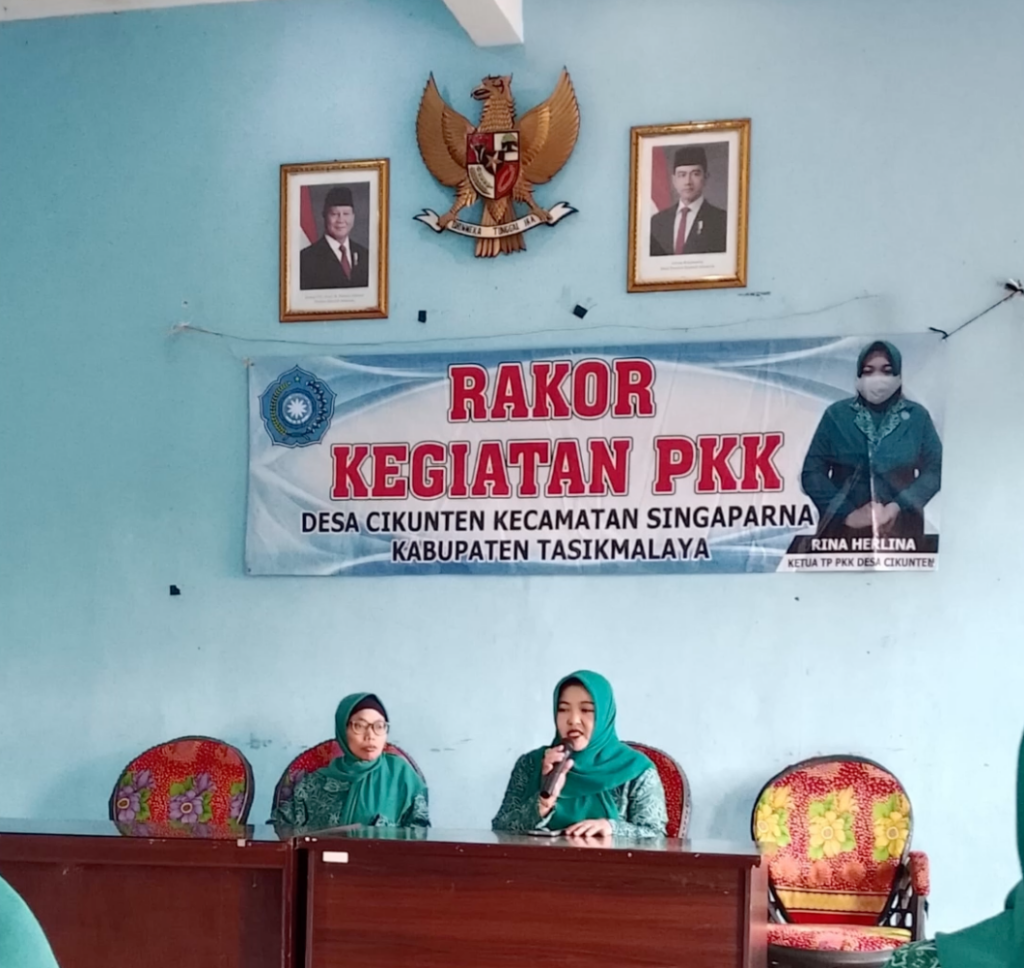
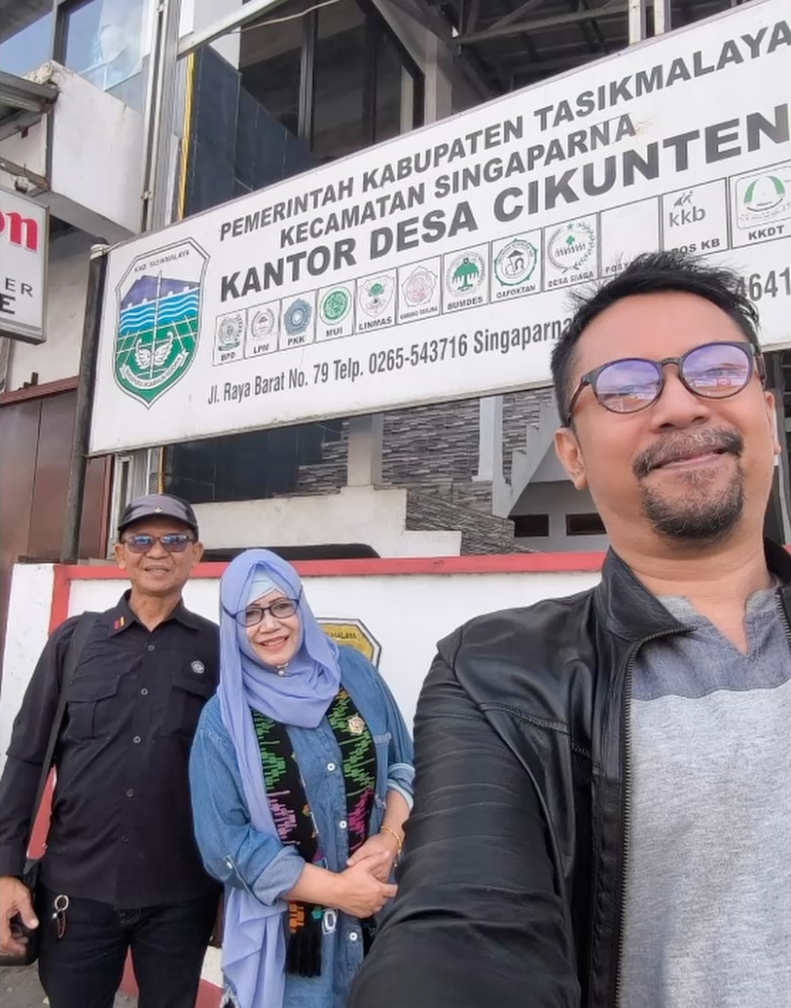
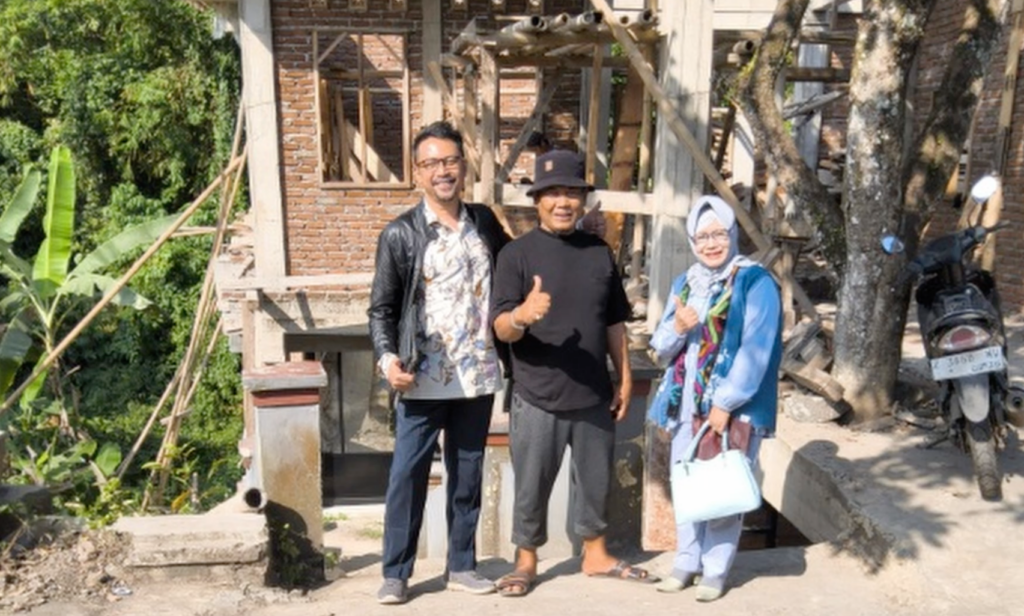
The program, titled “Strengthening Stunting Alleviation Based on Sundanese Manuscripts,” is led by Dr. Elis Suryani Nani Sumarlina, MS., alongside an interdisciplinary team of academics from Unpad. This initiative integrates local wisdom in the form of Family Medicinal Plants (TOGA) as documented in ancient manuscripts such as Mantra Pengobatan (Healing Incantations) and Naskah Tatamba (Medical Manuscripts).
Preventing Stunting in Sundanese Manuscripts
Ancient Sundanese manuscripts are not merely historical documents; they are valuable references for healthcare and disease prevention that remain highly relevant for modern society.
“In ancient Sundanese manuscripts, such as Naskah Tatamba, there is detailed information regarding maternal and child care from pregnancy through adolescence. Through a multidisciplinary approach—spanning philology, pharmacy, to public health—we are revitalizing this knowledge so it can be directly utilized by the residents of Cikunten Village,” said the Head of the Unpad PPM Team, Dr. Elis Suryani.
Through this community outreach, residents are invited to learn about, re-cultivate, and utilize a variety of traditional anti-stunting medicinal plants growing around their residential areas.
Program Contributions to the Sustainable Development Goals (SDGs)
Using local wisdom based on Sundanese manuscripts for stunting prevention directly supports several United Nations Sustainable Development Goals (SDGs) targets, including:
- SDG 2: Zero Hunger
- Focus Target: End all forms of malnutrition and achieve food security.
- Connection: Nutritional education and the utilization of local medicinal plants help maintain adequate nutritional intake for pregnant women and toddlers, strengthening family health and food security at the village level.
- SDG 3: Good Health and Well-being
- Focus Target: Ensure healthy lives and promote well-being for all at all ages.
- Connection: The application of traditional manuscript-based remedy recipes helps optimize immunity and child development as a concrete effort to prevent growth faltering (stunting).
- SDG 4: Quality Education
- Focus Target: Improve literacy and knowledge grounded in local wisdom.
- Connection: Using ancient Sundanese manuscripts as learning material and multidisciplinary literacy resources for Generation Z, teachers, and local PKK cadres.
- SDG 11: Sustainable Cities and Communities
- Focus Target: Protect and safeguard the world’s cultural heritage.
- Connection: Identifying, digitizing, and transliterating ancient Sundanese manuscripts so that cultural wisdom is preserved and remains beneficial to modern society.
Concrete Steps for Cikunten Village Community Empowerment
In its implementation, the Unpad PPM Team employed various approaches, ranging from counseling, mentoring, action research, to active participation. PKK members, health cadres, and youth in Cikunten Village were trained to:
- Identify types of anti-stunting medicinal plants based on guidelines from the manuscripts.
- Process and consume family medicinal plants with proper dosages.
- Sustainably cultivate herbal plants in their home yards.
It is hoped that this program will not only reduce stunting rates in Tasikmalaya Regency, but also serve as a role model for how ancient cultural literacy can offer practical solutions to modern public health challenges.