SDG 2025

News, SDG 2025

“Mocaf as an Alternative to Wheat”: FIB Unpad and Islamic Boarding Schools in Hegarmanah Village Cultivate Cassava for Economic Sustainability

Through Community Service and Empowerment (PPM), lecturers at the Faculty of Cultural Sciences, Universitas Padjadajran, have conducted 32 activities involving local residents in several villages in Sumedang Regency. These activities have been carried out over a period of three years, from 2023 to 2025, and focus on the topic of local economic sustainability to avoid poverty. One of these activities took place in Hegarmanah Village, Jatinangor District, with efforts to overcome the food crisis by improving vocational skills at the Hurriyatul Ummah Islamic Boarding School in the village. This boarding school-based activity was lead by Abu Sufyan, with Johan Arifin, Hasbini, and Nandang Nur Saleh as team members.  The activity then continued with two stages of intensive training, namely cassava cultivation and mocaf processing. The cassava cultivation session covered planting techniques, organic fertilization, and integrated pest management. After that, the mocaf processing session covered the fermentation, drying, and packaging processes, which then produced mocaf as an alternative to wheat.  For maximum effectiveness, before the activities could be concluded, the PPM team then held food trade training that provided skills in business management, packaging, branding strategies, and digital marketing. The students learn how to create attractive promotional content and market products through e-commerce and social media. With these extensive trainings and collaborations, the PPM team, students, and local residents hope this intensive program will provide sustainable economic opportunities, particularly in the food sector. Red. Jauza Maryam Mumtazah

News, SDG 2025

Building a Caring Campus: Healthy, Affordable Dining for Staff and Students

Jatinangor, August 30th, 2025 — As the number of staff and students continues to grow, the need for affordable and accessible food options has become increasingly important. To create a more supportive campus environment, the Faculty of Cultural Sciences (FIB) at Universitas Padjadjaran has expanded its dining facilities by opening ‘Inspirasa’, located behind the FIB security post and near the main lecture halls. Managed by members of Dharma Wanita, ‘Inspirasa’ offers home-style, organic meals that are both healthy and flavorful. With the addition of this canteen, FIB Unpad now hosts three canteens in total, giving staff and students more options for affordable and nutritious meals. The canteen serves a variety of dishes at accessible prices, including ready-to-go meal packs for those rushing to class, as well as comforting homemade specialties like soto and kupat tahu, all prepared with care by the dedicated canteen staff. “We want to create a space where everyone—staff, lecturers, and students—can feel cared for and supported,” said Hilman Fauzia, the Head of the Internationalization Unit Office at FIB Unpad. “Having more dining options is not just about convenience; it’s about ensuring that our academic community has access to healthy meals that keep them energized throughout the day.” The presence of ‘Inspirasa’ plays a significant role in reducing food insecurity within the faculty, providing a sense of comfort and support for both academic and administrative staff. This initiative contributes to building a more inclusive and nurturing work and learning environment. Through efforts like these, FIB Unpad reaffirms its commitment to supporting the well-being of the entire academic community, ensuring that both staff and students have access to nutritious meals and a welcoming campus atmosphere. By Dilla Maharani PutriFakultas Ilmu Budaya

News, SDG 2025

Healthy and Affordable Food Choices at FIB Unpad

Jatinangor, August 30th, 2025 — With the growing number of students and staff, the Faculty of Cultural Sciences (FIB) at Universitas Padjadjaran is committed to providing healthy and affordable meals. This initiative aims to promote a healthier lifestyle within the academic community while ensuring easy access to nutritious food on campus. FIB Unpad currently has three canteens offering home-cooked and organic meals at student-friendly prices. These canteens provide a wide range of options, from convenient grab-and-go meals for busy students and staff to hearty homemade dishes. The variety includes vegetarian options, local specialties, and other nutritious choices. The presence of these canteens helps improve the health and well-being of students and faculty members. It also reduces barriers to accessing healthy meals, making it easier for people to dine without leaving campus and fostering a culture of healthy eating within the faculty. “I love eating at Inspirasa because the food reminds me of home—healthy, delicious, and very affordable!” said Evelyn Daniela, a Russian Studies student at FIB Unpad. In addition, FIB Unpad is committed to sustainability by encouraging the use of eco-friendly packaging and sourcing fresh, local ingredients to ensure the best quality meals for its community. Moving forward, FIB Unpad aims to continue building a healthy, inclusive, and sustainable campus ecosystem to create a safe and comfortable learning environment for all. By Dilla Maharani PutriFakultas Ilmu Budaya

News, SDG 2025

Utilizing Creative Marketing, PPM Team of FIB Unpad Assist in Promoting Local Products of Cikeruh Village

In an effort to empower the local community in the creative economy sector, the Community Service Program (CSP) Team of the Faculty of Cultural Sciences, Universitas Padjadjaran, conducted an outreach activity in Cikeruh Village, Jatinangor District, to assist local residents in marketing their businesses. The team was led by Dr. Ade Kosasih, with Dr. Widyo Nugrahanto, Dr. Miftahul Falah, and Ayu Septiani as team members.  This PPM activity was carried out over a period of three years. In the first year, the PPM team began by mapping the problems and formulating efforts that could be made to overcome them. They saw that the Cikeruh Village Government had made massive efforts to improve the marketing of home-based products. However, the marketing of these home-based products was not yet optimal.  Therefore, in the second year, the PPM team implemented educational activities through this program. They held educational activities on creating attractive product designs and how to use social media, such as Instagram, X, and TikTok, more effectively. With this, home products will become more widely known and the marketing reach of the products will expand.  Then, through Focus Group Discussions, the results of the efforts made by the PPM team with local residents and the Cikeruh Village Government will be more sustainable. In the FGD, the parties developed a program plan to be implemented for the following year. All parties certainly hope that local residents’ home-based products and the economy of Cikeruh Village can adapt and develop through digital marketing. Jauza Maryam Mumtazah

News, SDG 2025

FIB Unpad Mini Gym, Sports Facility for the Academic Community

Aliyah Zahra Saffanah The Faculty of Cultural Sciences (FIB) at Padjadjaran University provides a mini gym that can be used as a light exercise facility within the faculty. The launch of this mini gym is one of the forms of support provided by FIB for the health and fitness of the academic community despite the busy campus activities. This mini gym is equipped with several basic exercise machines, such as treadmills and simple weightlifting equipment. This facility is designed to provide the academic community with an alternative space to stay fit without having to leave the faculty environment. In addition to supporting sports activities, the mini gym is also often used as a place to take a short break from academic activities. It can be used to relax for a moment, and can also be used as a small gathering place before continuing activities. The presence of this facility adds variety to the spaces at FIB, not only for learning, but also for supporting physical well-being. The mini gym at FIB shows the faculty’s efforts to create a balanced learning environment. This facility completes the academic atmosphere, which is not only focused on intellectual achievement but also pays attention to physical and mental health. With the presence of a gym on campus, the academic community is reminded that staying fit is an important part of everyday life. In the future, it is hoped that this mini gym can be further developed so that it can be optimally utilized by students and staff. With continuous improvement, the mini gym can become a sports facility that supports a healthy lifestyle as well as strengthens interaction on campus.

News, SDG 2025

Zumba with UUM, FIB Unpad Contributes to the Success of the Unpad Sehat Program

Aliyah Zahra Saffanah As a form of support for healthy lifestyles on campus, the Faculty of Cultural Sciences (FIB) at Padjadjaran University held a Zumba event together with students from Universiti Utara Malaysia (UUM). This event was part of the Unpad Sehat program held in Jatinangor.  According to Mr. Gilang, a FIB lecturer who accompanied the event, Zumba was chosen because of its popularity and was easily accessible across cultures. “Why Zumba? Because Zumba is a familiar exercise for them, an exercise that is internationally recognized,” he explained. The one-hour event was warmly welcomed by all participants. Students from both universities enthusiastically followed every movement. “The students’ response was very positive. Many of them said that one hour was not enough because they enjoyed dancing zumba with the students from Padjadjaran University and vice versa. Besides the students, the lecturers also participated” said Mr. Gilang. More than just exercise, this activity also strengthened the interaction between Unpad and UUM students. The atmosphere, which was full of positive energy, made Zumba a way to build closer relationships while maintaining everyone’s health. Mr. Gilang believes that this activity is in line with the university’s commitment to raising health awareness through the Unpad Wellness program. “My impression is good. This is one of the programs that can promote health, in line with the Unpad Wellness program. Hopefully, more students will participate in the future,” he said. Through this Zumba activity, FIB Unpad shows its role in creating an inclusive and enjoyable sports space. It is hoped that similar programs can continue to be held and involve more parties in building a healthy lifestyle on campus.

News, SDG 2025

A Taste of Comfort: Affordable Dining Spots at FIB Unpad

Jatinangor, August 28th, 2025 — In the hustle of classes, assignments, organizations, and social life, one thing keeps everyone grounded: a warm, affordable meal. FIB Unpad has three beloved canteens, each with its own charm. Inspirasa—run by members of Dharma Wanita—offers a taste of home. The dishes are simple, nutritious, and affordable. It’s the perfect choice for a go-to healthy full meal when you’re in a hurry. At the heart of the faculty, Shokudou draws crowds with its extensive menu. Whether you’re craving a light snack between classes or a hearty lunch, this spot is a reliable go-to. And for those in the know, the Pakilun canteen—tucked away behind the lecture building—has become a hidden gem. Here, local street vendors serve up light bites to full meals that are both unique and budget-friendly, making it a favorite hangout spot. With prices averaging under 15,000 rupiah, these dining options do more than just fill stomachs; they create a sense of security and community, reinforcing the university’s commitment to student well-being. “Shokudou has a complete menu and everything tastes great at a reasonable price. Pakilun, meanwhile, is perfect for hanging out with friends and trying something different. Inspirasa is the best choice when you’re craving a home-cooked meal,” said Gamaliyah Puspa Elora, one of FIB’s students.  Through collaboration with Dharma Wanita and local vendors, FIB Unpad has cultivated a culture of care—ensuring that nutritious, affordable meals are always within reach, supporting both body and community. By Dilla Maharani PutriFakultas Ilmu Budaya Universitas Padjadjaran

News, SDG 2025

Internship at Second Chance, FIB Unpad Students Receive UKT Reduction While Writing Thesis

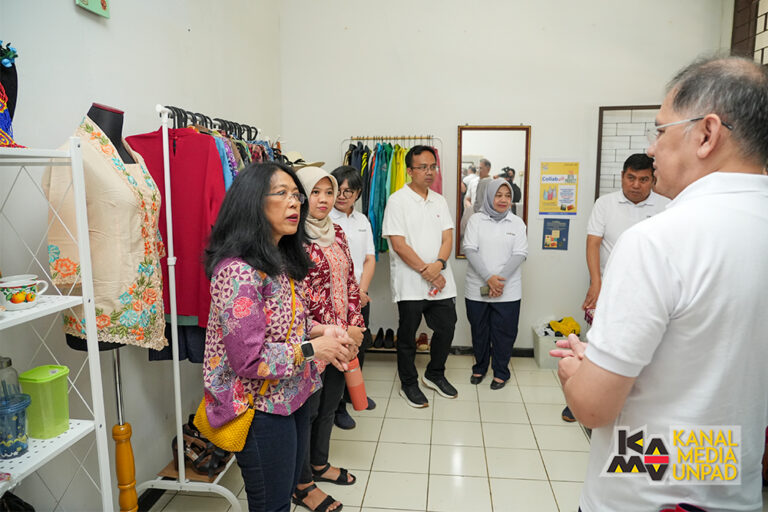
Second Chance, a secondhand store, is a unique creation made by the Faculty of Cultural Sciences, Universitas Padjadjaran. This store not only provides an opportunity to sell secondhand goods but also provides financial assistance to students from low-income families. The Second Chance store began with an appeal from Prof. Aquarini Priyatna, Dean of the Faculty of Cultural Sciences, in 2023. The store aims to sell clothes and other items in good condition at low prices through donations of items that are still usable. However, more importantly, this program provides financial benefits for students because it can help reduce their tuition fees. Operational Manager, Bu Ferli, said, “This internship program helps those who have difficulties with UKT or whose scholarships are late, such as those who receive KIP scholarships but the funds have not been disbursed yet.”  Initially, this program was intended to be a business unit, but it was later turned into a charity shop so that the store would not have to meet specific targets and, at the same time, assist students with low financial backgrounds.  Each semester, two students from the Faculty of Cultural Sciences intern at Second Chance. In the previous year, interns came from Indonesian Studies and Japanese Studies. This year, there are students from French Studies and Japanese Studies in the even semester, followed by two students from Indonesian Studies in this odd semester.  Students who are eligible to participate in this internship program are those who are currently writing their thesis and need UKT relief. During their internship, students can work at the store, which is located in the faculty, while working on their thesis.  When Second Chance was held, the faculty held open registration for the internship program. However, recently, in order to specify the program for students from low-income families, the faculty is now accepting interns directly from the head of study programs. Students interning at Second Chance hold various tasks and responsibilities as store managers. They work as store clerks from 9:00 a.m. to 4:00 p.m., with schedules adjusted to accommodate thesis guidance and work, as well as agreements between the two interns. They also keep various records, such as incoming transactions and items placed for sale. In addition, they manage content on Second Chance’s Instagram account. However, according to Ms. Ferli, the most important thing is for the interns to “keep the Second Chance store tidy so that visitors can come comfortably.” During their internship, students gain both experience and financial benefits. They receive pocket money for daily needs and a tuition fee reduction of IDR 500,000. Besides the interns, faculty members and other students also benefit because they can donate or drop their items for sale. To date, 20 people have donated items, and 119 have consigned items for sale. Compared to last year, Bu Ferli said that in the beginning, Second Chance had more donors and sellers, but as the hype began to fade, buyers decreased. She felt that the problem lay in the location of the Second Chance store, which was not strategic. Therefore, this semester, FIB has decided to move Second Chance from behind the PSBJ building to building B so that it would be visible to more people.  Bu. Ferli hopes that after the relocation of Second Chance, “there will be more sales so that profits can also increase, and if profits increase and revenue grows, more students can be helped.” Red. Jauza Maryam Mumtazah

News, SDG 2025

INSPIRASA FIB: Affordable Eats and Home-Cooked Meals to Support Student Well-Being

Jatinangor, August 27th 2025 — A healthy and supportive campus begins with simple yet meaningful choices—like ensuring students have access to nutritious, affordable meals throughout their busy days. To create a healthier environment for students, the Faculty of Cultural Sciences at Universitas Padjadjaran has introduced ‘Inspirasa’, a canteen offering homemade organic meals. Inspirasa is the FIB Unpad canteen managed by Dharma Wanita, an organization of civil servants’ wives dedicated to improving family welfare through educational, economic and socio-cultural initiatives. With support from Dharma Wanita, Inspirasa aims to meet students’ and staff’s nutritional needs, helping them stay energized and productive throughout the day. Conveniently located next to the security post and the classroom building, Inspirasa is easily accessible to all students. With a variety of food and affordable prices, the Inspirasa canteen has become a new favourite spot for FIB students. Inspirasa received positive feedback from one of the students at FIB Unpad, Lusiana Dewi Saefudin. Lusiana said she was delighted with the arrival of Inspirasa as one of the canteens at FIB Unpad. “The food and drinks are delicious and reasonably priced. What I like most is the service. The lady who runs the canteen is very friendly to me and my friends,” said Lusiana. Inspirasa is more than a canteen; it reflects FIB UNPAD’s commitment to supporting students’ well-being and fostering a campus community where no one is left behind. Red. Dilla Maharani PutriFakultas Ilmu Budaya Universitas Padjadjaran

News, SDG 2025

FIB Unpad Students’ Innovation Overcomes Malnutrition and Poverty in Citengah Village Through Local Food

JATINANGOR, 26 Juli 2025  – The Community Service Programme (PPM) and Field Study Programme (PPM) Students of the Faculty of Cultural Sciences at Padjadjaran University in Citengah Village, Sumedang Regency, have produced innovations to address malnutrition and poverty. Through an activity entitled ‘Development of Local Food Products Based on Koro Pedang Beans Through Children’s Literacy’, the implementing team sought to empower the community by utilising the abundant potential of sword beans. Local foods such as sword beans have high nutritional value, but are not widely known by the community. Therefore, the PPM team and KKN students integrated food development efforts with nutrition education and literacy for children and housewives. Through training and hands-on practice, housewives in Citengah Village are taught how to process sword beans into value-added food products such as nuggets and cookies. This activity aims to explore the creativity of mothers in processing local food ingredients into products with commercial value. By actively participating in the production of highly nutritious foods from sword beans, they are expected to contribute significantly to increasing family income and welfare.  The activity was initiated by Dr. Dewi Ratnasari, M. Hum. Kamelia Gantrisia, M.Hum. and Genita Cansrina, M.A. from the Faculty of Cultural Sciences, in collaboration with the Office of Population Control, Family Planning, Women’s Empowerment, and Child Protection (DPPKBP3A), as well as Generasi Berencana Indonesia, Sumedang Regency. By involving various parties, this programme is expected to have a real impact in terms of community education and empowerment, creating concrete solutions to malnutrition and poverty.

Scroll to Top